Your Guide to UK Company Formation for Foreign Entrepreneurs: Unlock Global Opportunities

So, you’re a foreign entrepreneur looking to establish a foothold in the global market? The United Kingdom presents an incredibly attractive proposition! With its robust economy, prestigious reputation, and straightforward regulatory environment, forming a company in the UK can be a smart move for your international business ambitions. Let’s explore how you can make it happen.
Why Choose the UK for Your Business Venture?
The UK isn’t just a picturesque island; it’s a bustling hub for global commerce. Here’s why it stands out for foreign entrepreneurs:






Global Reputation and Stability
A UK-registered company carries a certain prestige. It signals reliability and trustworthiness on an international scale, which can be invaluable when dealing with partners, investors, and clients worldwide. The UK’s political and economic stability provides a secure foundation for long-term business growth.
Favorable Tax Environment
The UK offers a competitive corporate tax rate, making it an appealing destination for profit-generating businesses. Furthermore, it has an extensive network of double taxation treaties, which can significantly reduce your overall tax burden if you’re operating internationally.
Access to European and International Markets
Despite Brexit, the UK remains a gateway to major European markets and boasts strong trade links globally. Its strategic geographical location and excellent transport infrastructure facilitate international trade and logistics.
Simplified Formation Process
Compared to many other jurisdictions, setting up a company in the UK is remarkably quick and efficient. The process is largely digitized, allowing you to register your company online, often within 24 hours.

Key Steps to Forming a UK Company as a Foreign Entrepreneur
Ready to get started? Here’s a breakdown of the typical steps involved:
Choosing Your Company Structure
The most common structure for foreign entrepreneurs is a Private Company Limited by Shares (Ltd). This separates the company’s finances from your personal assets, limiting your liability. Other options include Limited Liability Partnerships (LLP) or sole proprietorships, though these come with different implications.
Selecting a Company Name
Your company name must be unique and not identical or too similar to an existing name on the Companies House register. You can check name availability on the Companies House website.
Appointing Directors and Secretaries
Every UK limited company must have at least one director. There are no residency restrictions for directors, meaning you can be a foreign resident director. While a company secretary is optional for private limited companies, many choose to appoint one for administrative support.
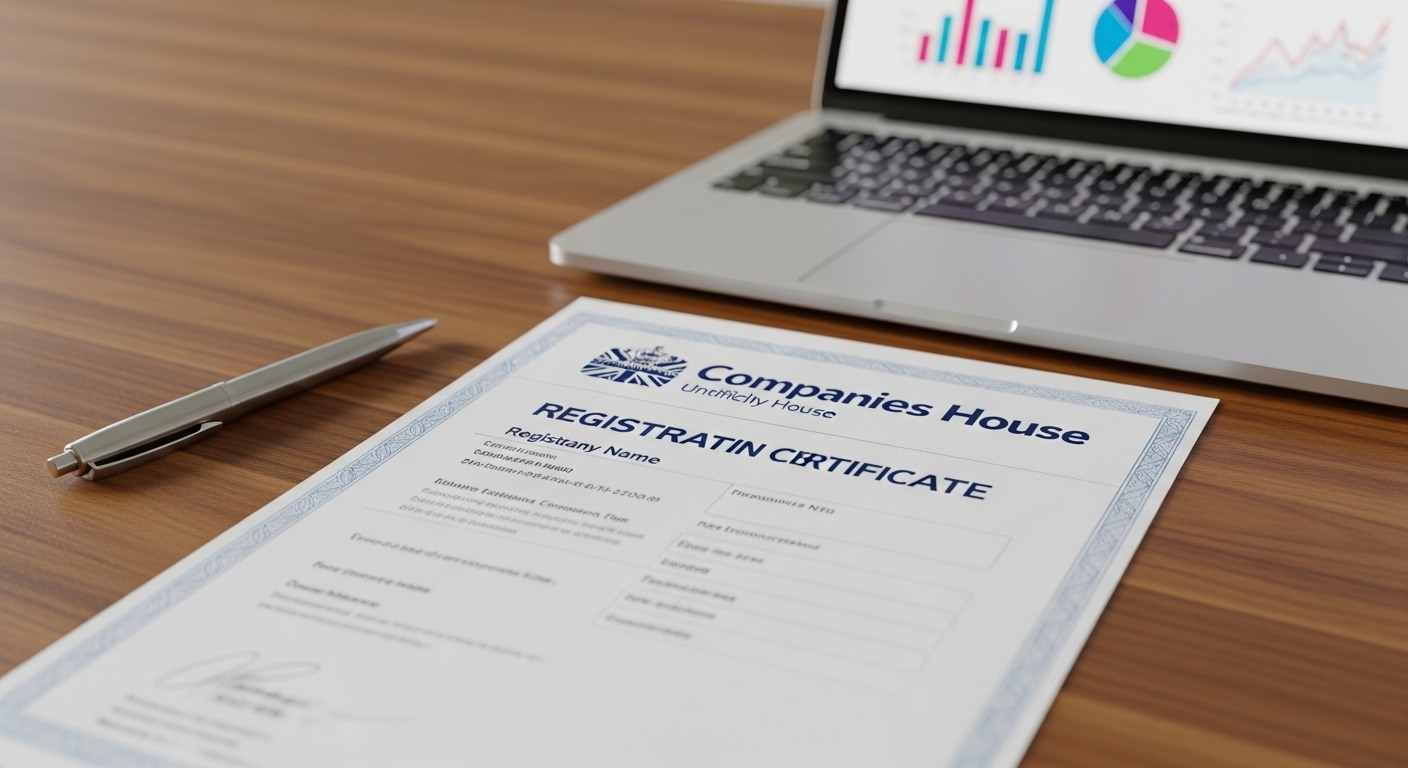
Registering Your Company with Companies House
This is the core step. You’ll need to submit several documents, including:
- Memorandum of Association: A legal statement confirming the subscribers (first shareholders) wish to form a company.
- Articles of Association: The rules governing the running of the company.
- Registered Office Address: A physical address in the UK where official mail will be sent (more on this below).
- Details of Directors and Shareholders: Names, addresses, and other relevant information.
Most of this can be done online through an authorized company formation agent or directly via the Companies House website.
Opening a UK Business Bank Account
While challenging from abroad, it’s crucial for your company’s operations. Many traditional banks require directors to be physically present in the UK for identity verification. However, several challenger banks and fintech solutions offer more flexible remote account opening options for international businesses.
Important Considerations and Requirements
To ensure a smooth setup, keep these points in mind:
Registered Office Address
Your UK company must have a physical registered office address in the UK. If you don’t have one, many company formation agents offer virtual office services, providing you with a professional UK address for official correspondence.
Share Capital and Shareholders
There’s no minimum share capital requirement for a UK limited company, meaning you can even start with a single share of £1. You’ll need at least one shareholder, who can also be a foreign resident or a corporate entity.
Tax Registration
Once your company is formed, you’ll need to register with HMRC (HM Revenue & Customs) for Corporation Tax, and potentially for VAT (Value Added Tax) if your turnover exceeds the threshold, or if you choose to register voluntarily.
Visa and Immigration (If Applicable)
It’s important to note that forming a company in the UK does not automatically grant you the right to live or work in the UK. If you intend to relocate, you will need to apply for an appropriate visa, such as an Innovator Founder visa, if you meet the eligibility criteria.
Navigating the Process with Ease
While the process is streamlined, navigating the nuances of UK company law and financial regulations can still be daunting for those unfamiliar with the system. Seeking professional guidance is highly recommended.
Seeking Professional Guidance
Working with a reputable company formation agent or legal professional can save you time, avoid potential pitfalls, and ensure full compliance. They can assist with everything from choosing the right structure and registering your company to ongoing compliance and bank account introductions.
Forming a company in the UK as a foreign entrepreneur is an exciting journey that can open up a world of opportunities. With careful planning and the right support, you can successfully establish your UK presence and embark on your next chapter of global business growth. Good luck!